
Trying to eat healthier while keeping the family fed can feel like a full-time job—especially when you’re staring down another box of dry pasta and wondering if it’s going to be yet another bland dinner. That’s exactly where I was a few years ago. Hi, I’m Lena Rodriguez, mom of two, pasta enthusiast, and firm believer that healthy meals shouldn’t be boring, expensive, or impossible to make on a Tuesday night. Today, we’re diving into high protein pasta recipes—the kind that actually taste great, fuel your body, and don’t leave your sink overflowing with dishes.
Table of Contents
Disclaimer: The information shared on Yammymeal.com is intended for general knowledge and educational purposes only. While we make every effort to provide reliable recipes, cooking inspiration, and practical lifestyle tips, we are not certified nutritionists, dietitians, or healthcare providers. Nothing published on this Website should be considered medical, nutritional, or professional advice.
Whether you’re feeding a couple of picky eaters or trying to hit your protein goals after a workout, these recipes are your new go-to. I’ll walk you through flavorful, protein-packed meals that use ingredients you probably already have in your pantry or freezer. Plus, I’ll bust some myths about what makes pasta “healthy” and share smart, budget-friendly ways to get more nutrition out of every bowl. You’ll also learn what makes protein pasta different, how to pair it with complementary ingredients, and why it’s not just for gym-goers.
If you’ve ever wondered, “What are the good sources of protein in pasta?” or “Is protein pasta a complete protein?”—don’t worry, we’ll cover that. And if you’re new to this kind of cooking, you’re not alone. I’ve been there, too—microwaving chicken nuggets while dreaming of something healthier. Let’s change that tonight.
We’ll start by digging into the heart of why high protein pasta recipes are more than just a trend. another recipe to enjoy like high-protein-ground-beef-recipes.
Why High Protein Pasta Recipes Matter for Real-Life Families
Making pasta healthier without giving up flavor
Let’s face it—traditional pasta, while comforting, isn’t exactly a protein powerhouse. That’s where high protein pasta recipes come in. Swapping regular noodles for ones made with lentils, chickpeas, or protein-enriched wheat is a game changer. These alternatives boost the meal’s nutritional value and help you stay fuller, longer—great for parents juggling long days and late dinners.
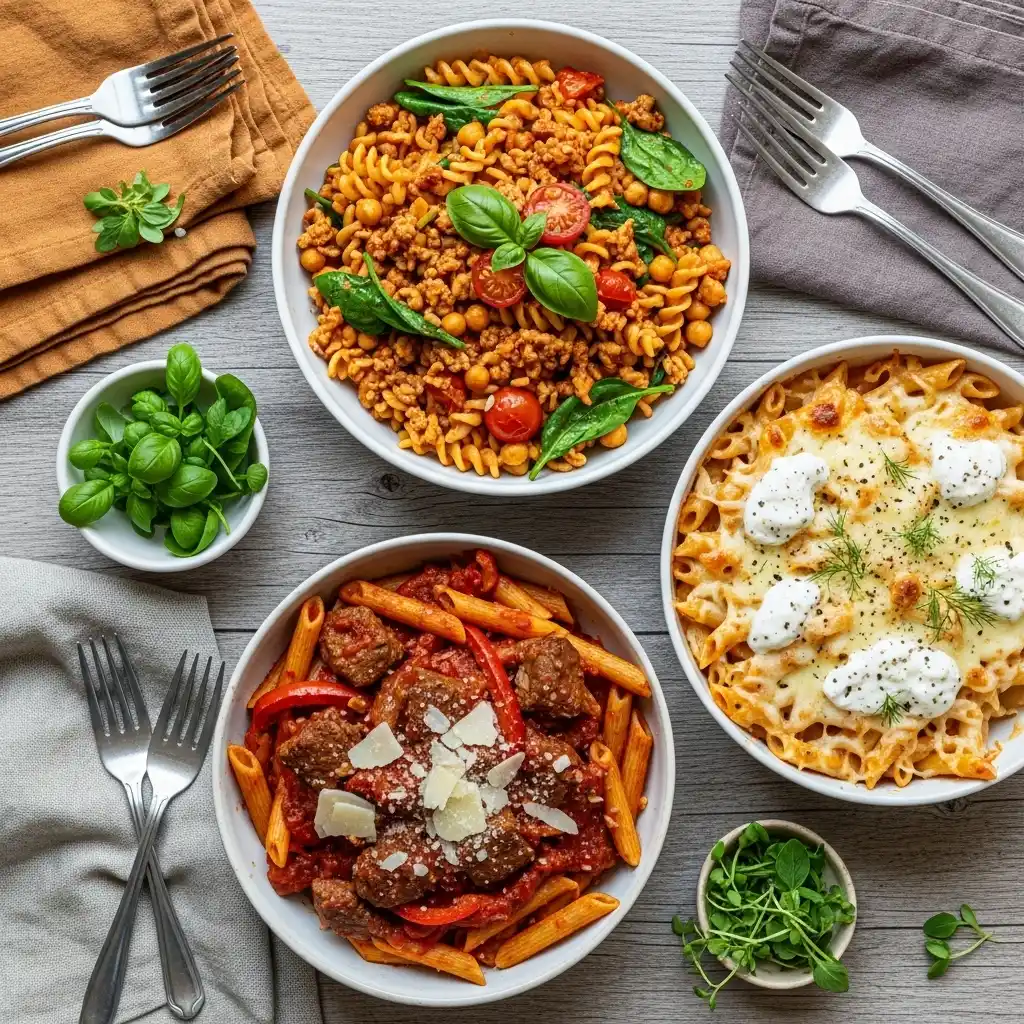
High Protein Pasta Recipes That Actually Taste Great
Ingredients
Method
- 1. Boil the chickpea pasta according to package instructions. Drain and set aside.
- 2. In a skillet, heat olive oil over medium heat and sauté garlic until fragrant (about 1 minute).
- 3. Lower the heat and stir in Greek yogurt, Parmesan, salt, and pepper to make a creamy sauce.
- 4. Add the cooked pasta and grilled chicken into the skillet, tossing to coat.
- 5. Stir in spinach and cook until wilted, about 2–3 minutes.
- 6. Serve hot, topped with extra Parmesan if desired.
Notes
These recipes let you keep the soul-warming feeling of a bowl of pasta, but with a major upgrade. The best part? No one at your dinner table needs to know it’s healthy. That creamy, cheesy sauce still clings perfectly to protein pasta, and meaty add-ins like ground turkey or plant-based crumbles make these dishes feel just as satisfying.

Protein pasta is more accessible than ever
You used to have to visit specialty stores or order online to get good protein pasta. Now, most grocery stores carry options made from black beans, quinoa, or even edamame. And for those with dietary restrictions, many of these are naturally gluten-free. I love rotating different types throughout the week depending on what I’ve got in the fridge—try pairing chickpea penne with roasted veggies or tossing edamame spaghetti with sesame ginger sauce for an Asian twist.
Easy Protein Swaps in Everyday High Protein Pasta Recipes
Upgrade your dinners with simple swaps
If you’ve ever felt overwhelmed by complicated meal plans, take a breath—because high protein pasta recipes don’t need to be fancy. In fact, they can be just as easy as boiling water. The magic is in the swaps. Instead of using regular noodles, go for chickpea, lentil, or black bean pasta. These are the heart of many high protein pasta recipes because they pack up to 20 grams of protein per serving—and cook just like traditional pasta.
You can also mix in protein-rich ingredients you already have. Greek yogurt, cottage cheese, and ricotta can turn any sauce into a creamy, filling base. Add lean ground turkey, shredded chicken, or tuna, and you’ve got the core of several delicious high protein pasta recipes right there in your fridge.
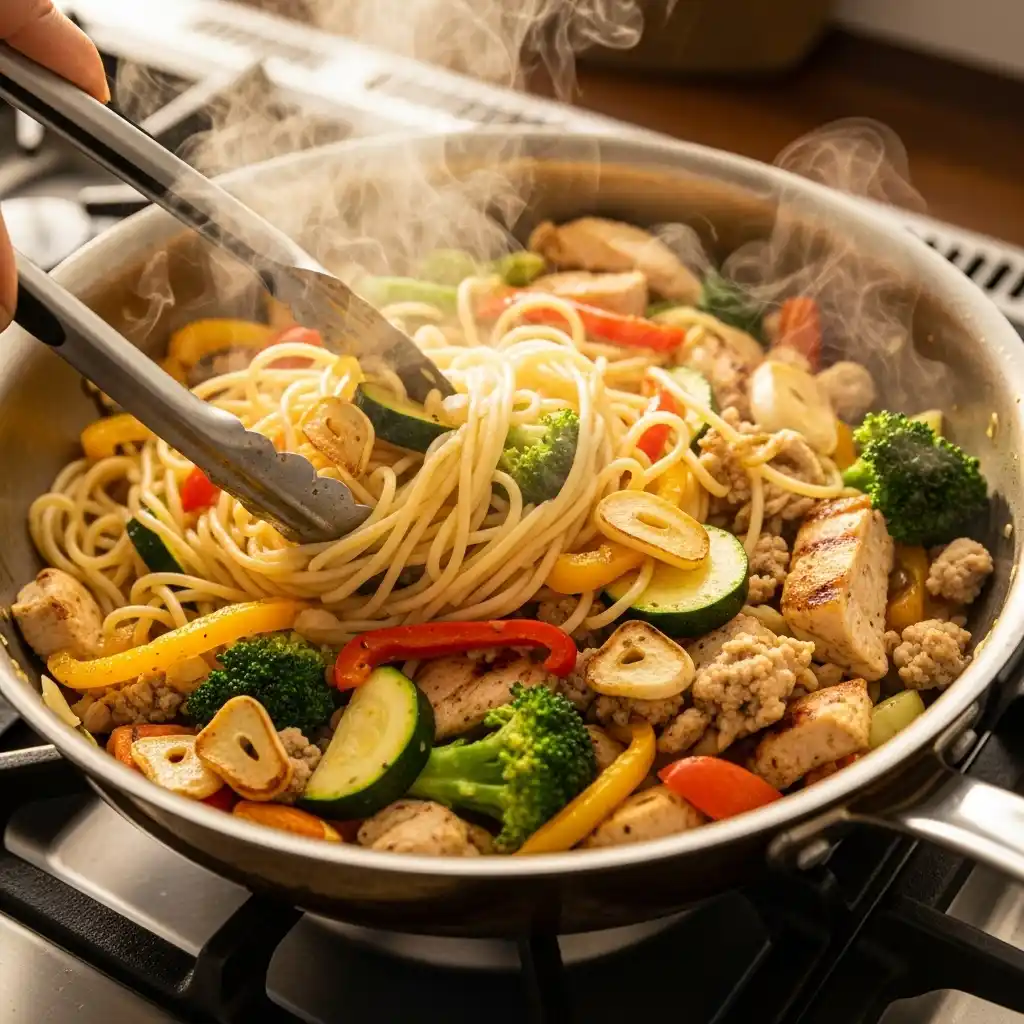
Make it flavorful, not fussy
The beauty of high protein pasta recipes is that they let you eat well without sacrificing taste. It’s not just about the pasta—it’s about how you build the bowl. Sautéed garlic, fresh herbs, lemon zest, and grated Parmesan take your dish from basic to bold. For meat-free nights, stir in canned white beans or blended tofu for plant-based protein that blends into the sauce.
So next time you’re planning dinner, skip the bland spaghetti. With these smart swaps and high protein pasta recipes in your back pocket, you’ll have healthy meals that don’t feel like a chore.
Are High Protein Pasta Recipes Complete Proteins?
Understanding the nutrition behind the pasta bowl
Not all proteins are created equal, and if you’ve ever wondered whether high protein pasta recipes deliver complete proteins, the answer is: sometimes. A complete protein contains all nine essential amino acids your body can’t produce on its own. Traditional wheat pasta falls short, but many newer options—like quinoa or edamame pasta—check that box.
For example, edamame noodles offer about 24 grams of protein per serving and contain all essential amino acids, making them ideal for vegan or vegetarian high protein pasta recipes. Chickpea pasta is another solid choice, though it’s slightly lower in methionine. But don’t worry—pairing it with ingredients like nutritional yeast, eggs, or even a sprinkle of cheese can easily balance it out.
When building your meal, think in pairs: lentil pasta with hummus-based sauce, or black bean spaghetti with avocado and egg. These combinations turn your favorite high protein pasta recipes into meals that support muscle repair, energy levels, and lasting fullness.
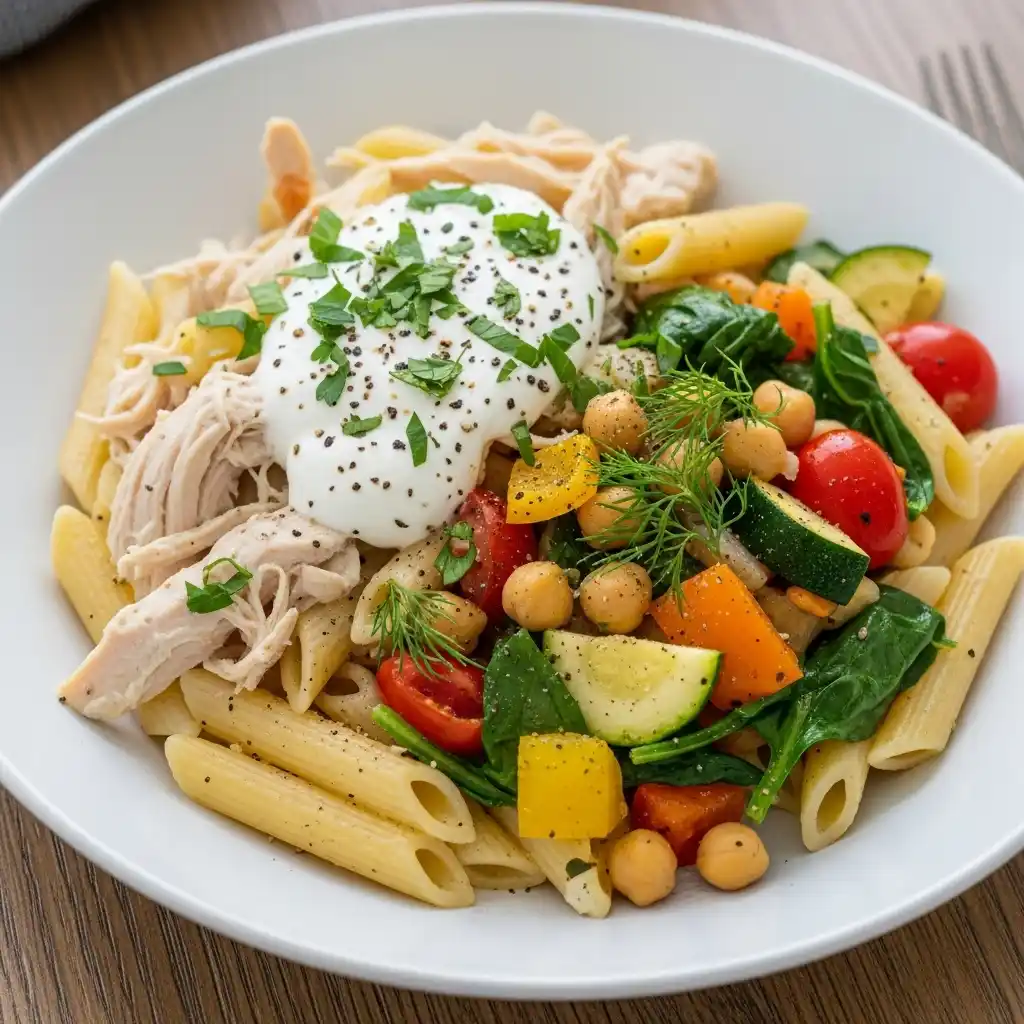
Top picks for high protein pasta recipes you can trust
When it comes to choosing the right pasta for your high protein pasta recipes, variety is your friend. The grocery aisle is packed with options, but a few standout choices make it easier to cook meals that are both delicious and nutrient-rich.
Edamame spaghetti is a powerhouse, offering around 24 grams of protein per serving. It’s naturally gluten-free and a complete protein, which means it contains all nine essential amino acids. Its mild, nutty flavor works beautifully with garlic-based sauces or sesame stir-fry styles.
Chickpea penne comes in close behind with 20 grams of protein per serving. It’s not technically a complete protein on its own, but that’s easy to fix. Just combine it with grains, like brown rice or a sprinkle of nutritional yeast, to round it out. I love using it in baked dishes or tossing it with roasted veggies and pesto.
Quinoa pasta is another smart choice, especially if you’re looking for a wheat-free option. It contains about 12 grams of protein per serving and qualifies as a complete protein, making it a solid base for lighter sauces or lemony olive oil dressings.
What Are Protein Noodles Made Of? + DIY Ideas for High Protein Pasta Recipes
Breaking down what’s inside protein pasta
So, what exactly are protein noodles made of? Unlike traditional pasta that’s made from refined wheat flour, protein noodles use alternative ingredients that naturally contain more protein. These include lentils, chickpeas, black beans, quinoa, and even edamame. That’s why so many high protein pasta recipes start with these as the base—they bring both nutrition and flavor to the table.
You’ll often see pasta labeled as “high protein” made from a single ingredient like red lentils or black soybeans. These not only raise the protein content to 15–25 grams per serving but also offer more fiber and fewer carbs compared to traditional pasta. Some varieties include blends with pea protein isolate or brown rice to improve texture and amino acid profiles.
These ingredients aren’t just about the numbers—they’re also naturally gluten-free (a bonus for many families), and they hold sauces really well. Whether you’re going creamy, spicy, or garlicky, these noodles are the perfect vehicle for your favorite high protein pasta recipes.
Make your own high protein pasta at home
If you’re feeling a little adventurous (or just love control over what goes in your meals), you can make your own protein noodles. You don’t need a fancy machine—just a few ingredients, a rolling pin, and a sharp knife.
Start with a base of chickpea flour or lentil flour. Add in egg whites (for extra protein) or flaxseed meal if you’re keeping it plant-based. Mix with water and olive oil until a dough forms, then roll it out and cut into strips. It’s rustic, it’s satisfying, and it’s perfect for homemade high protein pasta recipes.
Want even less effort? Use store-bought protein noodles and make your sauce from scratch. A simple mix of blended white beans, garlic, lemon juice, and a touch of olive oil gives you a creamy, protein-rich topping that tastes like it came from a restaurant.
Whether you’re cooking from scratch or opening a box, understanding what’s in your food helps you make better choices. These ingredients are what make high protein pasta recipes not only healthy, but truly satisfying.
For more trusted guidance on protein and healthy eating, you can explore the USDA MyPlate Protein Foods Group for balanced meal planning, the American Heart Association’s Healthy Eating Resources for tips on choosing heart-friendly protein sources.
Conclusion
High protein pasta recipes aren’t just a food trend—they’re a solution for busy families who want dinner to be easy, filling, and better for their bodies. Whether you’re trying edamame spaghetti for the first time or whipping up a quick chickpea penne dish, you’re making a smart choice without sacrificing flavor.
Remember, it’s not about perfection—it’s about building habits that stick. With the right pasta, a few pantry staples, and a go-to recipe or two, you can have high protein meals on the table faster than takeout.
Frequently Asked Questions
What are the benefits of protein pasta?
Protein pasta helps you stay full longer, supports muscle repair, and balances blood sugar better than regular pasta. It’s a fantastic swap in high protein pasta recipes because it combines convenience with real nutrition—especially for active individuals, growing kids, or anyone trying to increase their protein intake without meat.
What are the good sources of protein in pasta?
Great sources include lentils, chickpeas, edamame, black beans, quinoa, and even pea protein isolate. These ingredients form the base of most high protein pasta recipes and offer 12–25 grams of protein per serving depending on the brand. Adding lean meats, beans, or dairy-based sauces can boost that even further.
Is protein pasta a complete protein?
Some high protein pastas, like those made from edamame or quinoa, are complete proteins—meaning they contain all nine essential amino acids. Others, like chickpea pasta, are not complete on their own but can easily be paired with complementary foods like grains, nuts, or cheese to form a complete protein profile.